Shifting Dynamics of Tiered Benefit Allocation When Users Alternate Between Event Wagers and Digital Table Sessions Inside Unified State-Regulated Applications
Written by Clara Brooks · Jun 4, 2026
Shifting Dynamics of Tiered Benefit Allocation When Users Alternate Between Event Wagers and Digital Table Sessions Inside Unified State-Regulated Applications
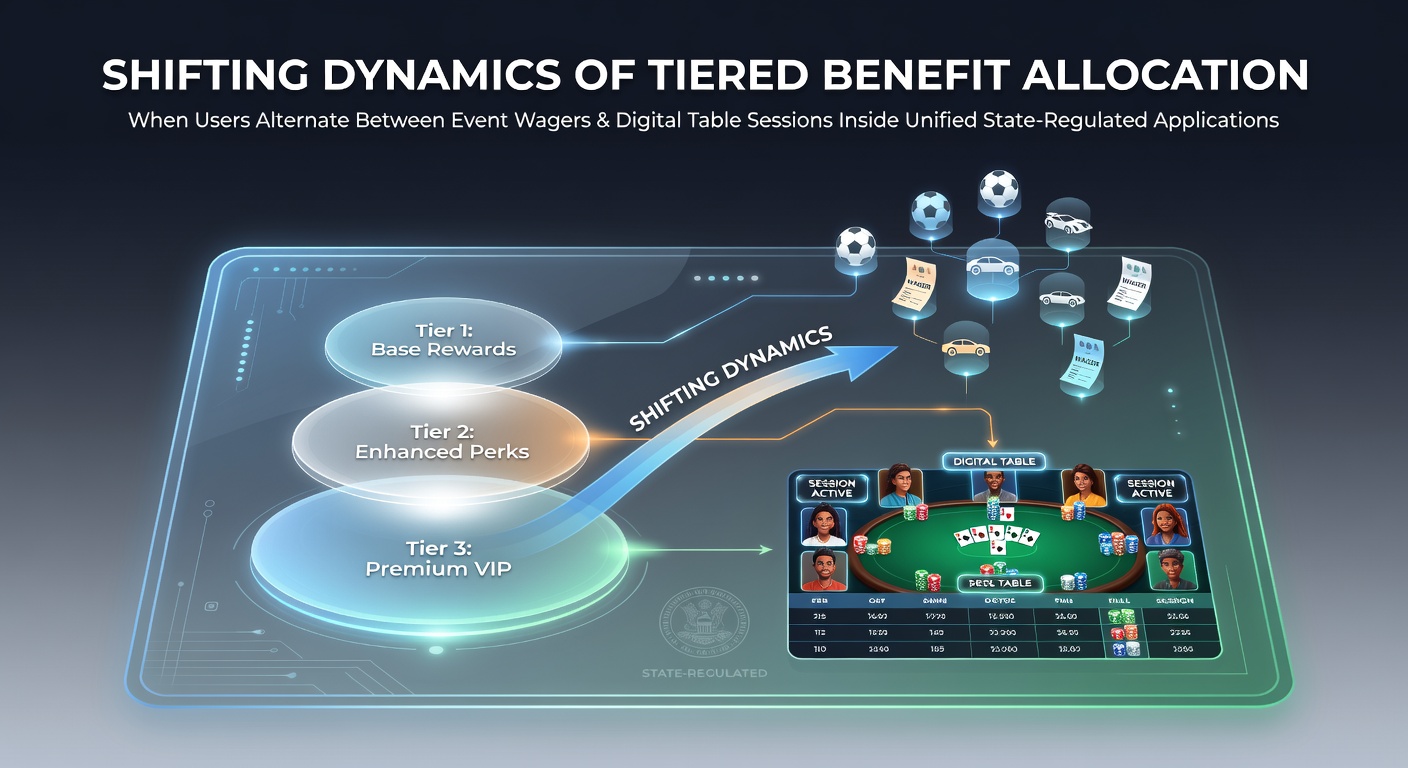
State-regulated applications that combine sports event wagers with digital table sessions have created new patterns in how tiered benefits get allocated to users who switch between the two activity types. Observers note that these unified platforms track contributions from each vertical separately before merging them into overall tier calculations, and the proportions often determine which rewards unlock first.
Core Mechanics of Point Accumulation Across Verticals
Research from gaming control boards shows that points earned on event wagers typically follow fixed multipliers tied to wager volume and odds, while digital table sessions accumulate points through time-based or hand-volume formulas that factor in average bet size. When users alternate rapidly between the two, the system recalculates tier status at the end of each session cycle rather than in real time, which means a heavy run of table play can temporarily outweigh earlier sports wagers in the progression algorithm.
Data from several regulated markets indicate that the weighting ratio between sports and casino activity has shifted in recent platform updates, with sports wagers now contributing a larger share toward higher tiers in states that updated their compliance rules before June 2026. This adjustment stems from new reporting requirements that treat sports handle as a distinct risk category, prompting operators to adjust internal point ledgers accordingly.
Impact of Activity Switching on Tier Progression
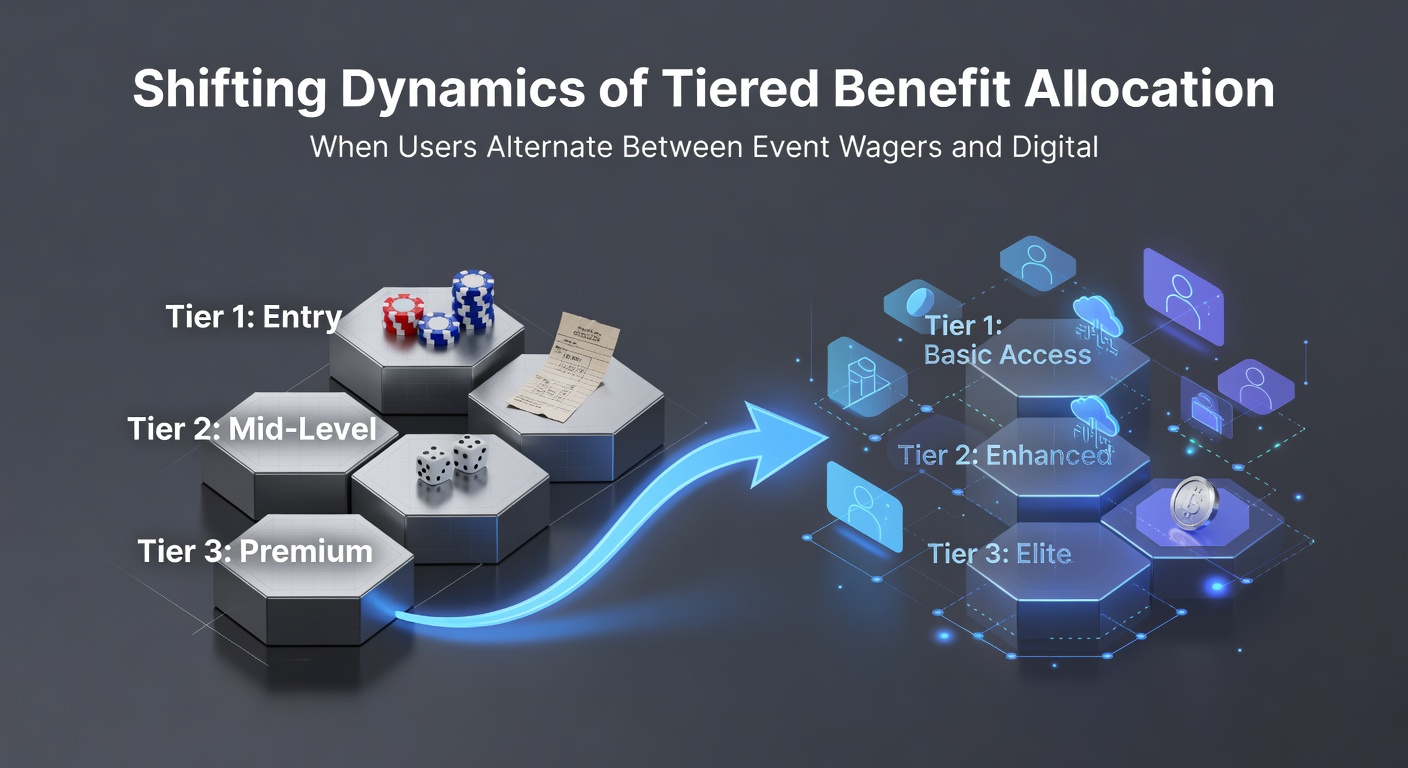
Users who move frequently between event wagers and table sessions experience tier resets that reflect the dominant activity type during each measurement window. Platform documentation reveals that a 60 percent sports-to-casino ratio over a 30-day period often preserves sports-specific bonus multipliers, whereas a reversal of that ratio routes more benefits through casino-exclusive perks such as table-limit increases or dedicated dealer access.
Those who've studied these systems find that the transition points occur at fixed thresholds, for example when casino play exceeds 40 percent of total points in any calendar month. At that stage the allocation engine automatically reclassifies pending rewards and applies the new tier's rules retroactively to the current cycle, which can either accelerate or delay access to cashback offers depending on the volume already recorded.
Regulatory Influences on Allocation Formulas
State regulators have required operators to publish the exact weighting formulas used inside unified applications, and compliance filings from mid-2026 show that several jurisdictions now mandate quarterly audits of how alternating behavior affects benefit distribution. iGaming Ontario reports document similar transparency measures that have been in place since earlier regulatory cycles, providing a reference point for how U.S. states have adapted the approach.
Figures released by the Pennsylvania Gaming Control Board illustrate that applications operating across multiple verticals must separate sports and casino points in their backend ledgers even when the user interface presents a single tier meter. This separation prevents operators from offsetting losses in one vertical with gains in another when determining eligibility for promotional funds, a rule that took effect in several markets during the first half of 2026.
Practical Examples from Current Platform Implementations
One documented case involves a major operator that adjusted its tier thresholds after June 2026 compliance reviews, raising the sports wager requirement for top-tier status while lowering the corresponding casino play threshold. Users who split activity evenly found themselves progressing more slowly until they concentrated volume in one vertical for at least two consecutive measurement periods.
Another implementation uses a rolling 90-day window that weights the most recent 30 days more heavily, so a sudden shift from event wagers to digital tables can produce an immediate change in available benefits even if overall lifetime points remain unchanged. Observers tracking these patterns report that the rolling window approach has reduced the number of users who maintain top-tier status across both verticals simultaneously.
Conclusion
The interplay between event wagers and digital table sessions inside unified applications continues to evolve as regulators refine reporting standards and operators adjust their internal allocation engines. Data from multiple state sources confirm that the proportion of activity across verticals now serves as the primary driver of tier movement, with measurement windows and weighting ratios determining how quickly users access differentiated rewards. As additional jurisdictions implement comparable rules, the mechanics governing these shifts are expected to standardize further while still reflecting each market's specific compliance priorities.