Patterns Emerging in Geofenced Promotional Mechanics Across Multi-State Mobile Wagering Networks During Off-Peak Seasons
Written by Ellis Lehmann · May 28, 2026
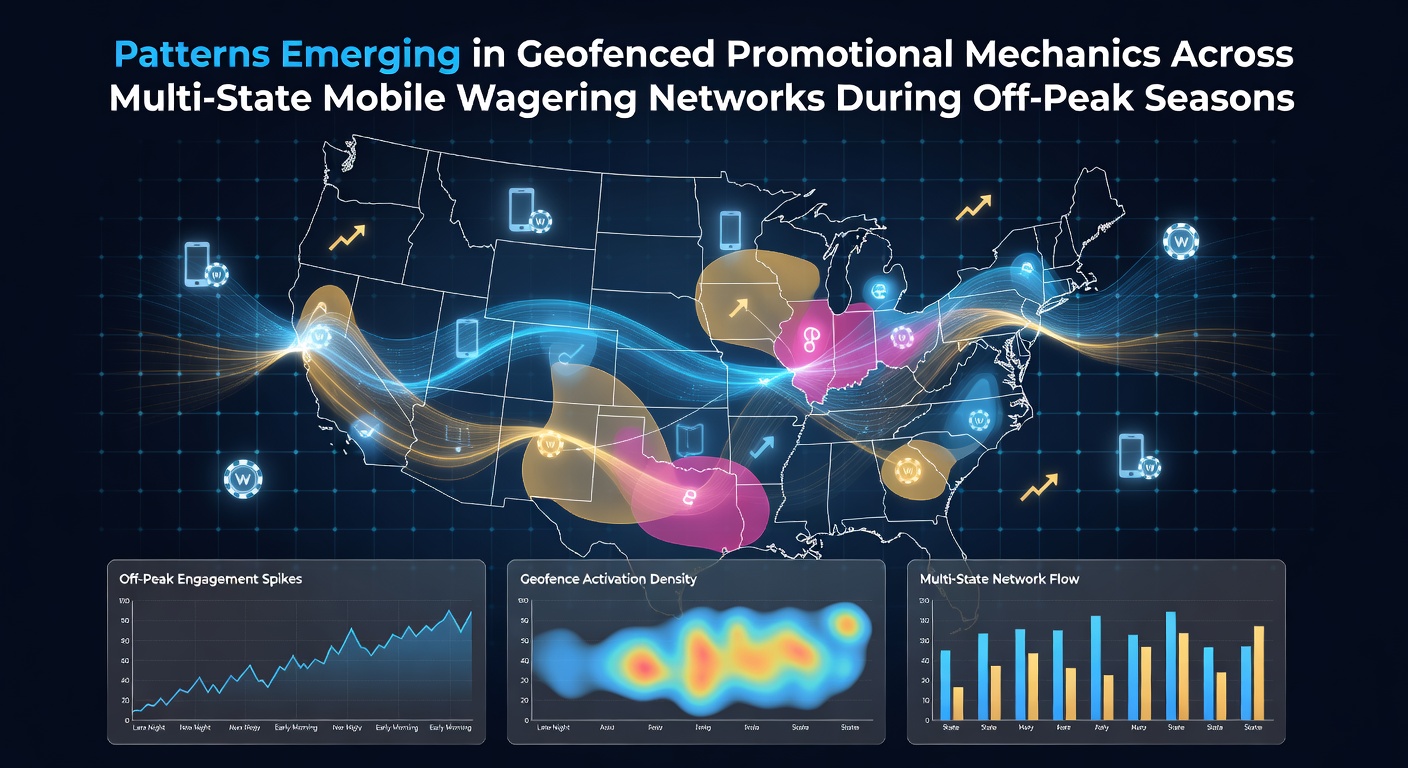
Patterns Emerging in Geofenced Promotional Mechanics Across Multi-State Mobile Wagering Networks During Off-Peak Seasons
Geofenced promotional mechanics have gained traction in multi-state mobile wagering networks as operators refine location-based targeting during slower periods such as the weeks following major league seasons. These systems use GPS and IP verification to restrict offers within state lines while adjusting incentive structures when betting volumes drop in May 2026 and similar off-peak windows. Research from state regulatory filings indicates that networks in jurisdictions like New Jersey and Pennsylvania have expanded geo-specific bonus pools that activate only when users remain inside designated boundaries for defined durations.
Core Mechanics Behind Location-Restricted Offers
Operators deploy geofencing layers that trigger different promotional tiers based on real-time location data combined with account history and wagering frequency. A user crossing from one state into another might see an immediate shift from deposit-match incentives to free-play credits tied exclusively to in-state events. Data from the New Jersey Division of Gaming Enforcement shows that such mechanics accounted for measurable increases in session retention during the first two weeks of May 2026 compared with prior years. Networks coordinate these changes across platforms through shared APIs that update offer eligibility within seconds of a location ping.
Multi-state operators further segment promotions by combining geofence rules with time-based triggers. During off-peak intervals when major sports calendars thin out, the same networks increase the frequency of localized casino-style bonuses that require users to remain within a single state for a minimum of four consecutive hours. This approach allows platforms to maintain engagement without relying on high-volume sports markets that dominate peak months.
Observed Shifts in Offer Distribution Patterns
Analysts tracking mobile wagering data have identified recurring sequences where geofenced offers expand in states with established regulatory frameworks while contracting in newer markets during off-peak windows. In May 2026, several networks introduced tiered rewards that scaled automatically once users accumulated a set number of in-state wagers within the fenced zone. Figures released by the Pennsylvania Gaming Control Board reveal that these scaled offers produced higher average bet sizes per session in established corridors compared with cross-border attempts that failed verification.
What's interesting is how networks handle edge cases at state borders. Users near boundaries often receive alerts that redirect them to alternative offers valid only in the current jurisdiction, and operators log these redirections to refine future geofence precision. Academic studies from the University of Nevada, Las Vegas gaming research center have documented similar patterns across multiple operators, noting that off-peak seasons amplify the effect because fewer live events compete for attention.
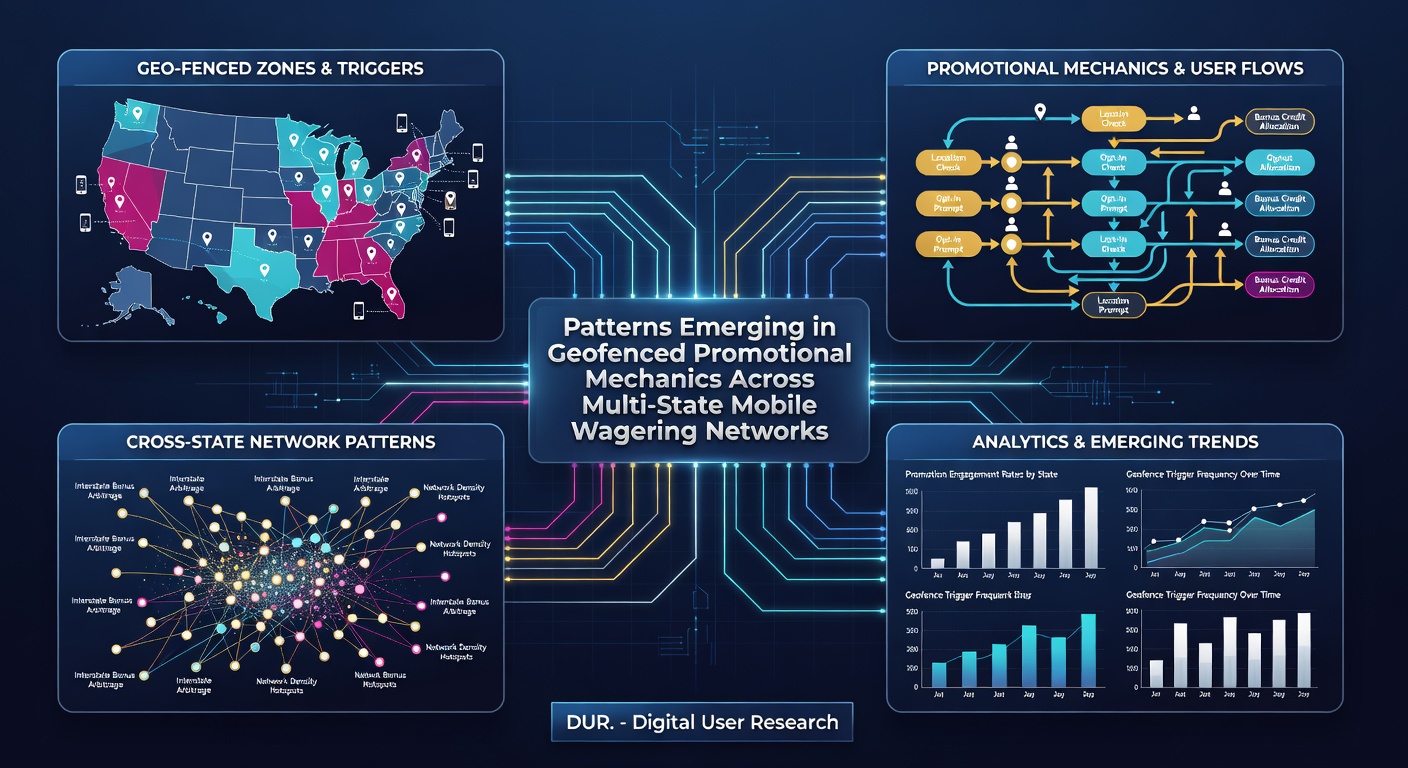
Integration with Broader Network Infrastructure
Mobile wagering platforms link geofenced promotions directly to central player databases so that eligibility updates propagate across all connected states without manual intervention. During May 2026 off-peak periods, networks increased the use of conditional triggers that activate only after a user completes a minimum number of location-verified deposits. This integration reduces promotional leakage while allowing operators to test regional variations without altering core account management systems.
Those who've examined the infrastructure note that API calls between state-specific modules and the central engine now include additional fields for seasonal modifiers. These modifiers adjust bonus values downward when overall network activity falls below thresholds established from prior-year data. The result appears in aggregated reports where off-peak months show tighter clustering of promotional activity inside core state clusters rather than broad national pushes.
Regulatory and Compliance Considerations
State regulators require operators to maintain audit logs of every geofence trigger and location verification event. In multi-state networks this creates datasets that track how often users encounter boundary-related offer changes during slower seasons. Compliance teams review these logs to confirm that promotions remain consistent with each jurisdiction's rules even when the same user account moves between states within a single day.
Industry reports from the American Gaming Association highlight that off-peak adjustments have become standard practice because they align promotional spend with actual user density inside each geofenced area. Networks that apply these adjustments report fewer instances of failed verifications and more stable daily active user counts across the connected states.
Conclusion
Patterns in geofenced promotional mechanics continue to evolve as multi-state mobile wagering networks refine their responses to seasonal volume shifts. Data collected through May 2026 illustrates how location-based rules, combined with time-sensitive triggers, help operators sustain engagement when major sports calendars enter quieter phases. Regulatory filings and infrastructure reports together demonstrate that these mechanics now form a consistent operational layer across established wagering jurisdictions.