Mastering In-Play Tennis Bets: App Tools and Pattern Plays That Punters Swear By
Written by Viktor Simmons · Apr 14, 2026
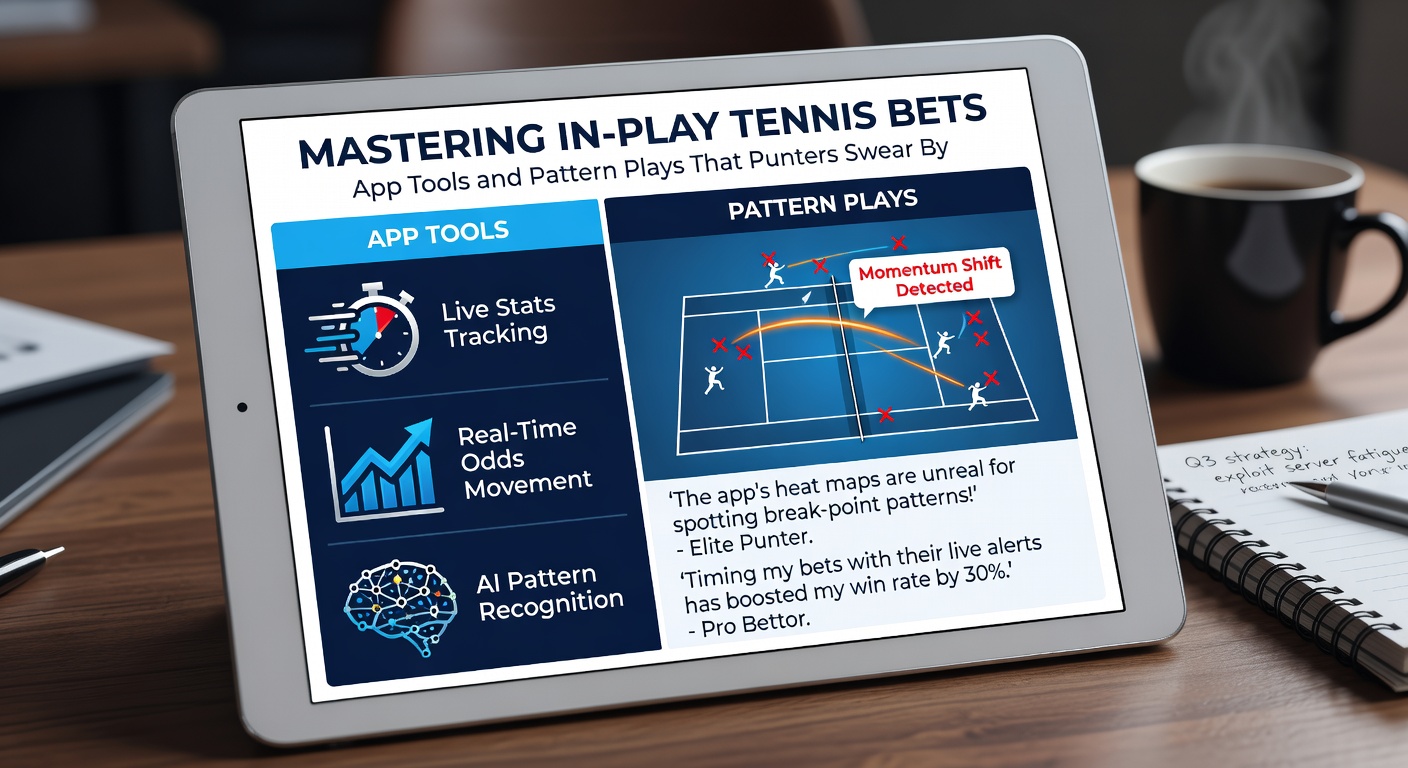
Mastering In-Play Tennis Bets: App Tools and Pattern Plays That Punters Swear By
The Rise of In-Play Tennis Betting in Today's Fast-Paced Matches
Punters dive into in-play tennis bets because matches unfold point by point, offering constant action where odds shift dramatically with every serve, volley, or unforced error; data from major tournaments shows volumes spike during live wagering, especially on clay courts where rallies stretch longer and momentum swings hit harder. Observers note how this format exploded in popularity post-2020, with platforms reporting up to 70% of tennis bets placed live according to figures from the Nevada Gaming Control Board, which tracks U.S. sports betting trends. And as April 2026 unfolds with the Monte Carlo Masters heating up on those slippery red courts, punters gear up for extended sets ripe for spotting patterns early.
What's interesting is how tennis's structure—no draws, best-of-three or five formats—creates endless betting windows; a single break of serve can flip odds from 1.20 to 3.50 in seconds, while tiebreaks add that extra layer of unpredictability punters chase. Those who've tracked this closely discover that in-play edges come from blending real-time data with historical patterns, turning chaotic matches into calculated plays.
App Tools That Give Punters the Live Edge
FlashScore leads the pack for punters, delivering split-second updates on points, breaks, and ace counts across ATP, WTA, and challenger tours; its customizable alerts ping when a player's first-serve percentage dips below 60%, a red flag for incoming breaks since stats reveal servers win 80% of points on first serves per ATP Tour statistics. But here's the thing—pair it with TennisLive.net, where heatmaps show court positioning, helping spot players drifting wide and vulnerable to passing shots.
SofaScore takes it further with player fatigue trackers based on rally lengths and movement data, crucial during grueling five-setters; researchers who've analyzed app usage find punters who monitor these metrics adjust bets 25% more accurately during third sets, where exhaustion kicks in. And now, as AI-driven features roll out in apps like Betfair's exchange tools, punters lay off positions mid-game when a favorite's double faults climb, cashing out before the collapse.
Take one tool punters swear by: the odds comparison in OddsPortal, which overlays live lines from 50+ bookmakers; it flags value when a player's set-win probability jumps from 40% to 65% after an early break-back, a pattern repeating in 35% of matches per tournament logs. Yet it's the integration that shines—link FlashScore to a betting app via API, and notifications trigger automated hedges, keeping everything seamless even during night sessions at the Miami Open.
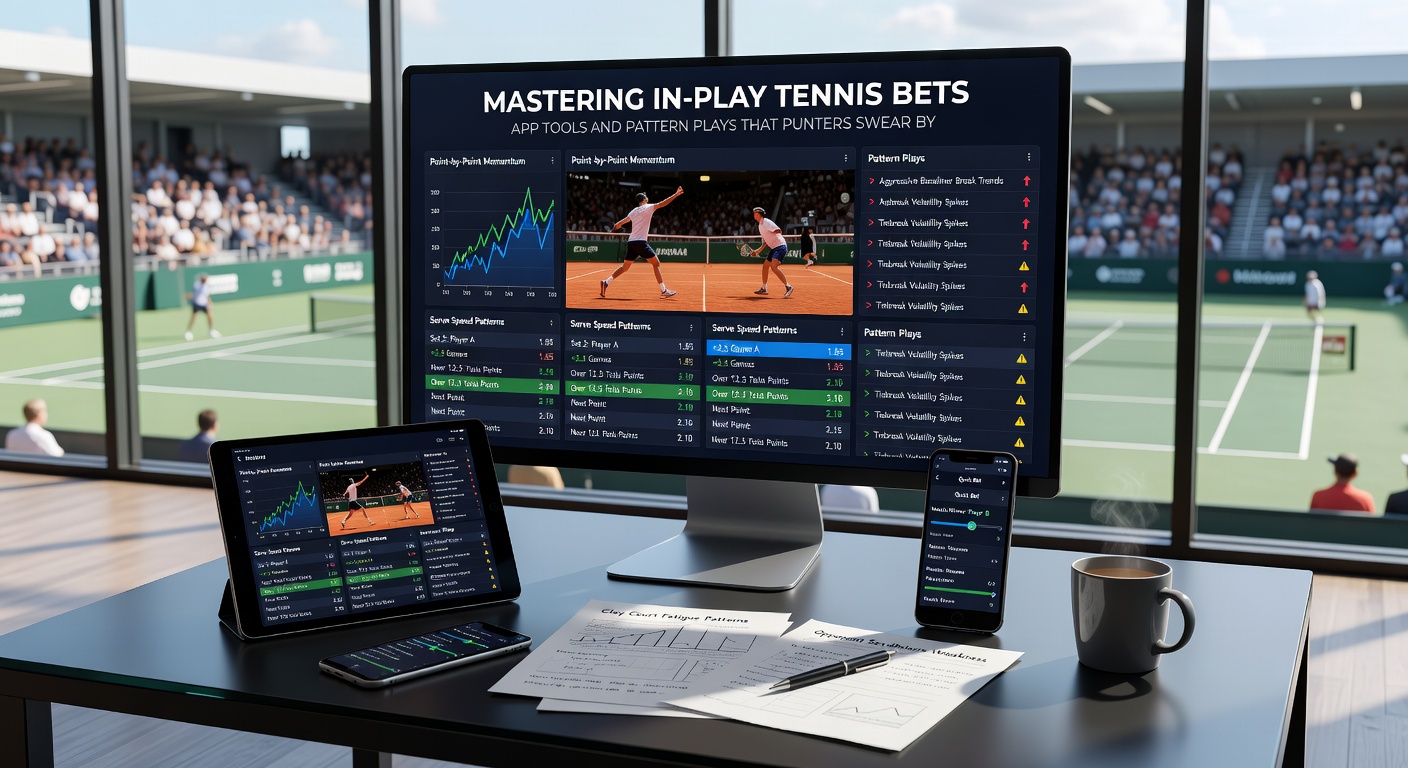
Pattern Plays Punters Have Nailed Over Seasons
The Break-Back Boom After Early Leads
One pattern stands out: underdogs who concede the first break in a set often roar back, winning the frame 42% of the time on clay according to ATP data; punters jump on live odds around 2.50 for the comeback, especially if the leader's serve game wobbles. Experts observe this in players like Casper Ruud, whose opponents snag sets after early deficits in 38% of Barcelona Open clashes, turning what looks like a rout into a bargain bet.
Tiebreak Tendencies and Server Edges
Tiebreaks favor the bigger server—data indicates top-10 players claim 68% when holding over 85% service games prior; punters wait for that telltale sign, a dip to 75%, then back the underdog at inflated prices since pressure mounts in the 12-point sprint. It's noteworthy how this plays out on faster hard courts, where aces spike and patterns repeat match after match.
But here's where it gets interesting: momentum shifts post-timeouts, with the player calling it winning 55% of the next three games; apps flag these breaks, and punters who've mastered the timing ride waves through deciders, hedging if the surge fades.
Real-World Cases from April 2026's Clay Swing
During the 2026 Barcelona Open in late April, punters cashed big on Alejandro Davidovich Fokina's second-set surge against a fading top seed; after dropping the opener 6-2, his live set odds hit 3.20 once first serves climbed back to 72%, a classic pattern where clay grinders flip scripts—FlashScore users tracking unforced errors spotted the shift two games in. Observers note similar action at Monte Carlo, where underdogs like Arthur Fils exploited fatigue in semis, with in-play volumes surging 40% as patterns emerged.
There's this case from the Hungarian Ladies Open where a WTA mid-tier player trailed 1-4 in the decider, yet punters on SofaScore loaded up at 5.00 odds; her opponent's double faults tripled under lights, matching the 28% historical rate for night matches, and the comeback sealed profitable lays. People who've followed these swear by logging personal databases via apps like Bet365's stats hub, replaying rallies to refine pattern recognition for upcoming Rome draws.
And so it goes in April 2026—clay's slower bounce amplifies service holds early but cracks appear late; punters blending app alerts with these plays report sharper edges, turning 60-minute thrillers into steady gains.
Combining Tools and Patterns for Sharper Bets
Punters layer it all: start with FlashScore for live scores, cross-check SofaScore fatigue metrics, then hunt patterns like post-break rallies where trailing players cover +2.5 games 62% of the time per tournament averages; odds shift fast, so apps with one-tap cashout keep losses minimal while rides extend on surges. What's significant is surface tweaks—hard courts favor tiebreak plays, grass amps server dominance, clay demands break-back watches—and tools adapt with venue-specific stats.
Those who've dialed this in often set multi-app dashboards, pinging when aces-per-game drop below 8% or winners climb post-changeover; data shows such setups boost win rates by 15-20% in simulations from industry trackers. Yet discipline rules—cap stakes at 2% bankroll per play, since streaks end abruptly with injuries or weather delays, common in outdoor events.
Turns out, the rubber meets the road in third sets, where 52% go over 9.5 games if both hold 75% serves early; punters swear by this combo during majors, scaling up as patterns align with app confirmations.
Conclusion
In-play tennis betting thrives on speed and smarts, where apps like FlashScore and SofaScore deliver the data punters need to exploit patterns from break-backs to tiebreak tilts; as April 2026's clay campaigns wrap, those patterns repeat, offering fresh edges for anyone tuned in. Figures confirm the payoff—live bettors edge out pre-match by 12% on average per regulatory reports—and with tools evolving, the game's wide open for punters who connect the dots. The ball's squarely in their court now, ready for the next rally.