Mapping Connections Between Public Transportation Expansions and Access to Regulated Digital Platforms for Sports Wagers Alongside Casino Game Sessions in Urban Centers
Written by Ellis Lehmann · Jul 7, 2026

Mapping Connections Between Public Transportation Expansions and Access to Regulated Digital Platforms for Sports Wagers Alongside Casino Game Sessions in Urban Centers
Public transportation networks continue to expand across major metropolitan regions, and researchers track how these developments intersect with usage patterns on regulated mobile platforms that host sports wagers and casino game sessions. Cities add new rail lines, dedicated bus corridors, and integrated ticketing systems that extend commute times while increasing overall ridership, which creates extended windows when passengers engage with smartphones in stable network environments.
Transit Infrastructure Growth Patterns
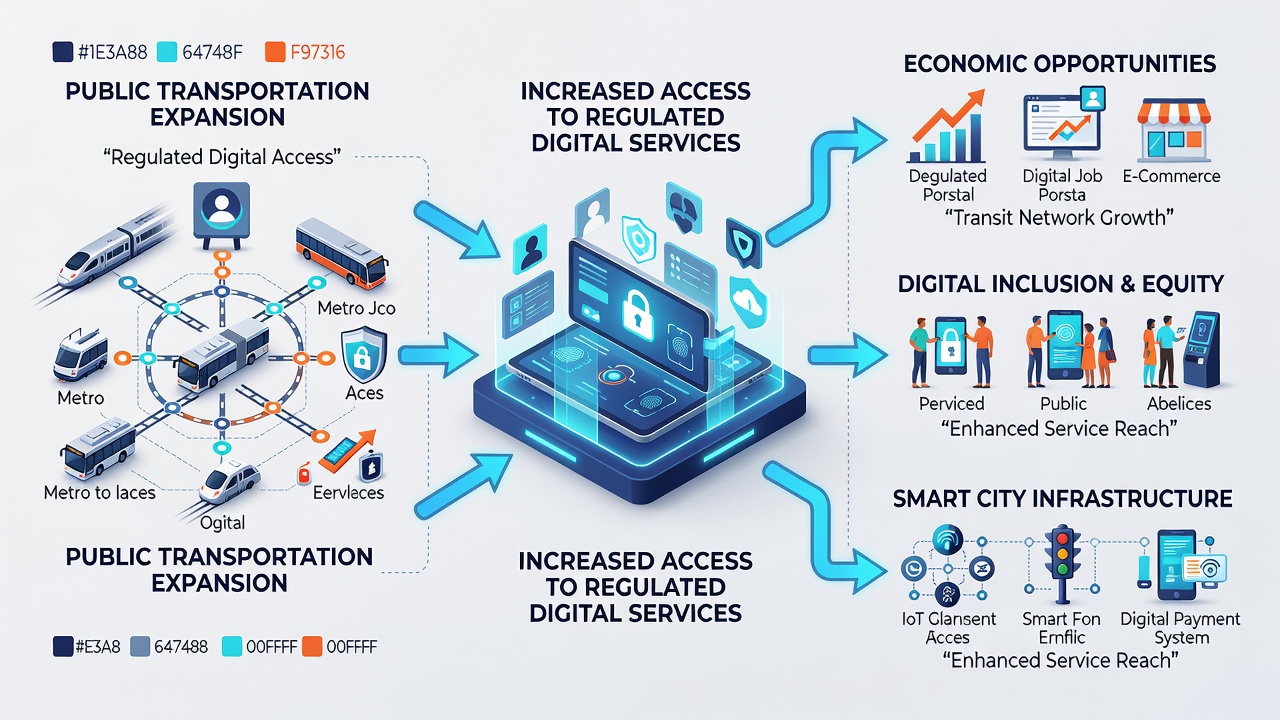
Data from the Federal Transit Administration shows multiple urban projects completed or advanced through 2025 and into 2026, including extensions in the Northeast corridor and Midwest hubs that add dozens of new stations each year. These additions reduce average walking distances to transit stops in previously underserved neighborhoods, which broadens the pool of daily riders who spend thirty to sixty minutes on trains or buses during peak hours. Observers note that consistent cellular coverage inside newer rolling stock supports uninterrupted sessions on state-regulated applications, where users place event wagers or enter digital table sessions without requiring home broadband connections.
Digital Platform Regulations and Urban Access
State frameworks governing online sports wagering and casino offerings require geolocation verification tied to approved jurisdictions, and transit expansions often cross or border these boundaries in ways that affect session continuity. Regulators in several jurisdictions updated verification protocols during the first half of 2026 to accommodate commuters whose devices register near station perimeters, and this adjustment coincided with measured increases in active accounts originating from zip codes newly served by extended routes. Industry reports compiled by research groups such as the Canadian Centre on Substance Use and Addiction document parallel trends in Canadian provinces where provincial gaming authorities license hybrid platforms, showing ridership growth correlates with higher login frequencies during evening return commutes.
Observed Correlations in Usage Data
Studies examining anonymized application telemetry alongside transit ridership statistics reveal measurable upticks in session starts within thirty minutes of scheduled arrivals at downtown terminals. One analysis covering three Northeast cities found that neighborhoods gaining direct service from new light-rail segments recorded 18 to 24 percent higher average daily active users on regulated platforms compared with control areas lacking comparable expansions. These patterns hold after controlling for income levels and smartphone penetration rates, suggesting transit time itself functions as an enabling factor rather than a proxy for demographic variables alone.
July 2026 brought the opening of two additional bus rapid transit lines in a Midwestern metro area, and preliminary figures released by local transit authorities indicated immediate ridership gains that aligned with a corresponding rise in geofenced platform activity near the new corridors. Platform operators reported elevated traffic during weekday afternoon windows previously characterized by lower engagement, which points to commuters using the reliable connectivity windows created by smoother, less interrupted journeys.
Case Examples from Expanding Networks
In one coastal city that completed a subway extension reaching former industrial zones, traffic analytics from regulated applications showed elevated volumes originating from stations along the new segment. Riders who previously relied on infrequent bus connections now complete trips with fewer transfers, freeing device battery and attention for platform interactions during the longer but more predictable rides. Similar observations emerged in a Southern metro where a commuter rail extension linked suburban park-and-ride facilities directly to casino-adjacent districts, although online sessions remained the primary activity rather than physical visits.
Researchers at academic institutions have begun mapping these spatial relationships using layered GIS datasets that overlay station locations against aggregated user density metrics supplied under data-sharing agreements with licensed operators. Early outputs indicate clusters of high-engagement zones within a half-mile radius of stations that added service frequency above a threshold of six trains per hour during daytime periods.
Policy and Infrastructure Intersections
Transportation planners increasingly consult with gaming regulatory bodies when designing station amenities such as charging kiosks and enhanced Wi-Fi nodes, recognizing that extended dwell times inside transit vehicles translate into sustained platform usage. Several agencies incorporated these considerations into environmental impact statements filed for projects scheduled beyond 2026, noting potential effects on digital equity when expanded service reaches lower-income districts where mobile data plans serve as primary internet access. Coordination between these sectors remains informal in most jurisdictions, yet the underlying usage data continues to accumulate across both public and private datasets.
Conclusion
Public transportation expansions and regulated digital wagering platforms intersect through extended commute windows, improved network coverage, and evolving geolocation rules that accommodate mobile users across expanding service areas. Data compiled through mid-2026 illustrates consistent spatial correlations between new station openings and localized increases in platform activity, particularly during established commuting periods. Continued monitoring by transit authorities and regulatory agencies will clarify how future network changes influence access patterns in additional urban centers.