How Player Migration Patterns Between Live Dealer Tables and In-Game Prop Markets Reshape Reward Eligibility Timelines in Multi-State Apps
Written by Wendy Walter · Jun 30, 2026
How Player Migration Patterns Between Live Dealer Tables and In-Game Prop Markets Reshape Reward Eligibility Timelines in Multi-State Apps
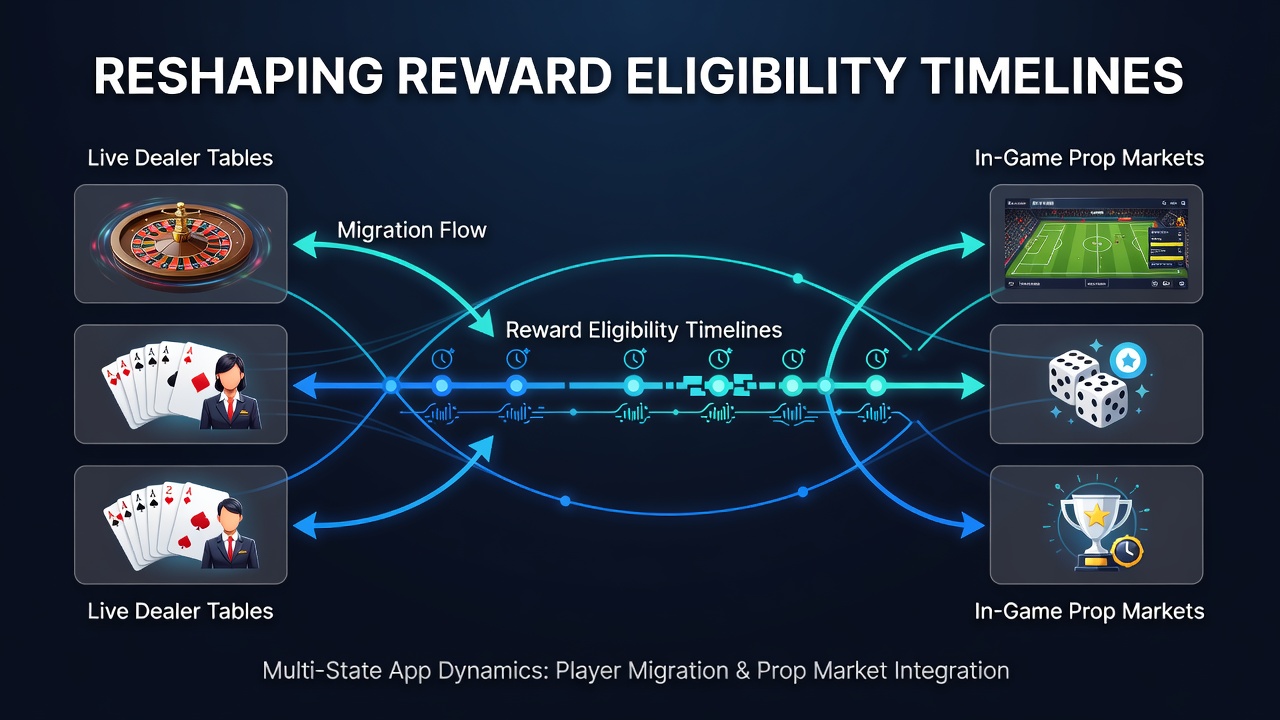
Player movement across live dealer tables and in-game prop markets has started to alter how reward systems calculate eligibility periods in apps that operate across multiple states, and data from early 2026 shows these shifts affect timelines in measurable ways. Operators track session activity through unified player accounts, yet transitions between verticals trigger resets or extensions depending on the specific rules each state imposes. Research from the New Jersey Division of Gaming Enforcement indicates that cross-vertical play increased by 18 percent in the first quarter of 2026, with many users alternating between blackjack tables and prop bets on the same platform during single sessions.
Tracking Movement Across Vertical Types
Apps maintain separate tracking modules for table games adn prop markets, yet unified loyalty engines must reconcile activity when users switch mid-session. Observers note that live dealer tables generate longer average session durations while prop markets produce quicker, higher-frequency bets, and this contrast forces algorithms to adjust eligibility windows accordingly. A report published by the Michigan Gaming Control Board in May 2026 documented similar patterns in apps serving both states, where users who began sessions at live tables and later moved to props experienced delayed progression toward tier thresholds. Systems apply time-stamped activity logs that carry forward only when certain continuity rules are met, otherwise the clock restarts based on the last qualifying action in each category.
Eligibility Timelines Under Multi-State Rules
State regulations require operators to align reward calculations with jurisdiction-specific playthrough requirements, and this creates friction when players cross state lines virtually through the same app. Data compiled across Pennsylvania and New Jersey platforms reveals that reward eligibility periods stretch when activity migrates from props back to tables, because table sessions often carry higher minimum contribution rates toward bonus unlocks. Users who complete a prop bet sequence then enter a live dealer room may see their accumulated progress pause until the new vertical meets its own minimum threshold, a process that extends the overall timeline by several days according to internal metrics shared in industry briefings. June 2026 figures from combined state filings show average eligibility windows lengthening by 2.4 days for players exhibiting these migration habits compared with single-vertical users.
System Adjustments in Response to Migration Data
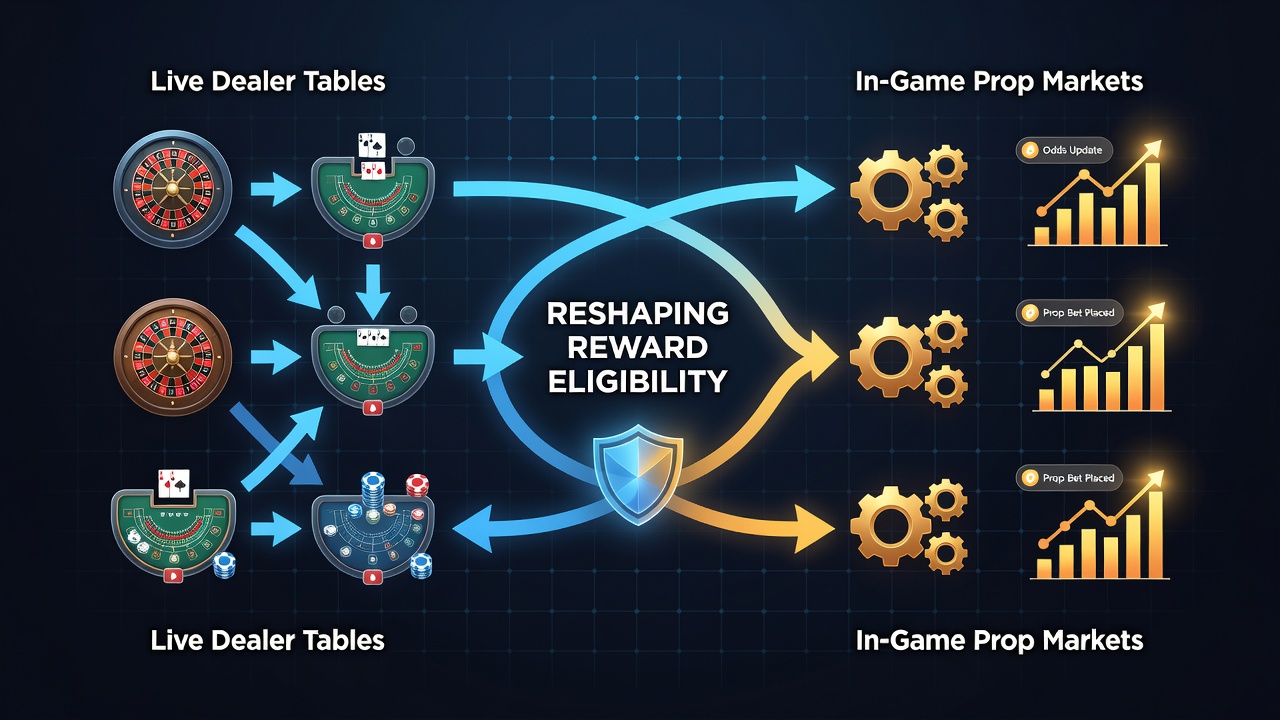
Operators have begun implementing dynamic weighting factors that assign different values to table play versus prop activity when determining reward milestones. These factors update in real time based on volume patterns recorded across user bases, and analysts have observed that props contribute more toward short-term streaks while tables influence longer-term tier advancement. One case examined by researchers at a Midwestern university gaming lab found that players alternating between the two categories reached mid-tier status 12 percent slower than those who stayed within one vertical, because the system prorates contributions during transition periods. App interfaces now display projected eligibility dates that recalculate after each switch, giving users visibility into how their movement affects upcoming rewards.
Geofencing and Continuity Challenges
Geofencing technology enforces state boundaries, yet it also segments player data when apps detect location changes during active sessions. When a user moves from a live dealer table in one state to prop markets after crossing into another, the reward engine treats the activity as potentially separate streams rather than continuous play. Figures released by the Pennsylvania Gaming Control Board for the period ending June 2026 highlight that 23 percent of cross-state sessions involved at least one vertical switch, resulting in fragmented eligibility calculations that operators must manually reconcile during audits. Automated reconciliation tools now scan for these patterns and apply state-specific multipliers, yet the process still introduces variability into timelines that single-state users do not encounter.
Retention Implications Across Platforms
Retention teams monitor how these timeline shifts influence repeat engagement, and early indicators suggest users adapt their migration habits once they understand the effects on reward pacing. Platforms have introduced in-app notifications that alert players when a switch risks extending their current eligibility window, and this transparency appears to reduce abrupt vertical changes according to aggregated session data. Those who maintain consistent vertical focus continue to hit milestones on schedule, while frequent migrators encounter staggered timelines that require additional play volume to offset. Industry reports from the American Gaming Association note that operators continue refining these mechanics as multi-state expansion continues through 2026.
Conclusion
Player migration between live dealer tables and in-game prop markets continues to influence reward eligibility timelines within multi-state apps, with measurable effects documented across regulatory filings and operational data through June 2026. Systems adjust contribution rates and continuity rules to accommodate these patterns, while state oversight ensures compliance with varying jurisdictional standards. As apps expand their reach, the interplay between vertical types adn reward structures remains a central focus for operators seeking to maintain consistent player progression across regions.