How Cryptocurrency Payment Rails Influence Settlement Times in Multi-State Wagering Networks
Written by Clara Brooks · Aug 6, 2026
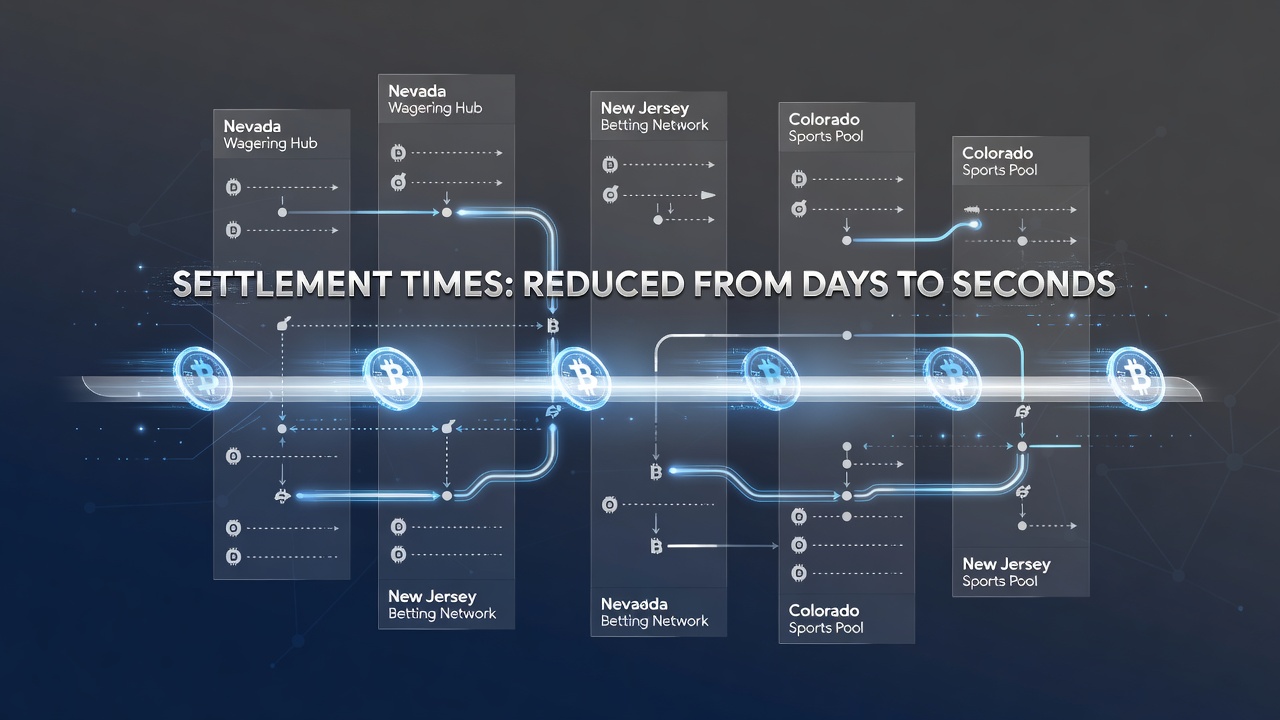
How Cryptocurrency Payment Rails Influence Settlement Times in Multi-State Wagering Networks
Multi-state wagering networks operate across jurisdictions with distinct banking rules and licensing requirements, which creates friction when operators process player deposits and withdrawals through conventional rails, and cryptocurrency systems have emerged as an alternative that alters those timelines in measurable ways.
Traditional Banking Delays in Cross-Border Wagering
Operators licensed in states such as New Jersey, Pennsylvania, and Michigan must route funds through federally insured banks that apply anti-money-laundering checks and federal reserve settlement windows, while ACH transfers typically clear in one to three business days and wire transfers can still require overnight batch processing even when both parties sit inside the same state.
Data compiled by state gaming commissions shows that withdrawal requests submitted on Friday evenings often remain pending until the following Tuesday because weekend cutoffs and federal holiday calendars interrupt the sequence, and those intervals compound when a player maintains accounts in two or more regulated markets.
Blockchain Settlement Mechanics and Speed Advantages
Public blockchains record transactions in blocks that finalize within minutes once network confirmations reach operator-defined thresholds, and stablecoin transfers on networks such as Ethereum or Solana have demonstrated average confirmation times between fifteen seconds and four minutes according to on-chain analytics published in mid-2026.
Operators that integrate these rails can credit deposits almost immediately after the first confirmation and release withdrawals once the transaction hash appears on a public explorer, which removes the multi-day lag associated with automated clearing house files and reduces the capital tied up in pending liabilities.
Regulatory Alignment Across Jurisdictions
State regulators have begun to codify crypto custody and wallet attestation standards, with the Nevada Gaming Control Board issuing updated guidance in August 2026 that permits licensed sportsbooks to accept certain stablecoins provided they maintain cold-storage reserves equal to one hundred percent of player balances, while the New Jersey Division of Gaming Enforcement requires real-time blockchain monitoring feeds that flag transactions exceeding ten thousand dollars within sixty seconds of broadcast.
These rules allow operators to compress settlement windows without violating interstate compact language, yet they also require continuous compliance reporting that adds overhead even as transaction latency decreases.
Observed Reductions in Payout Latency
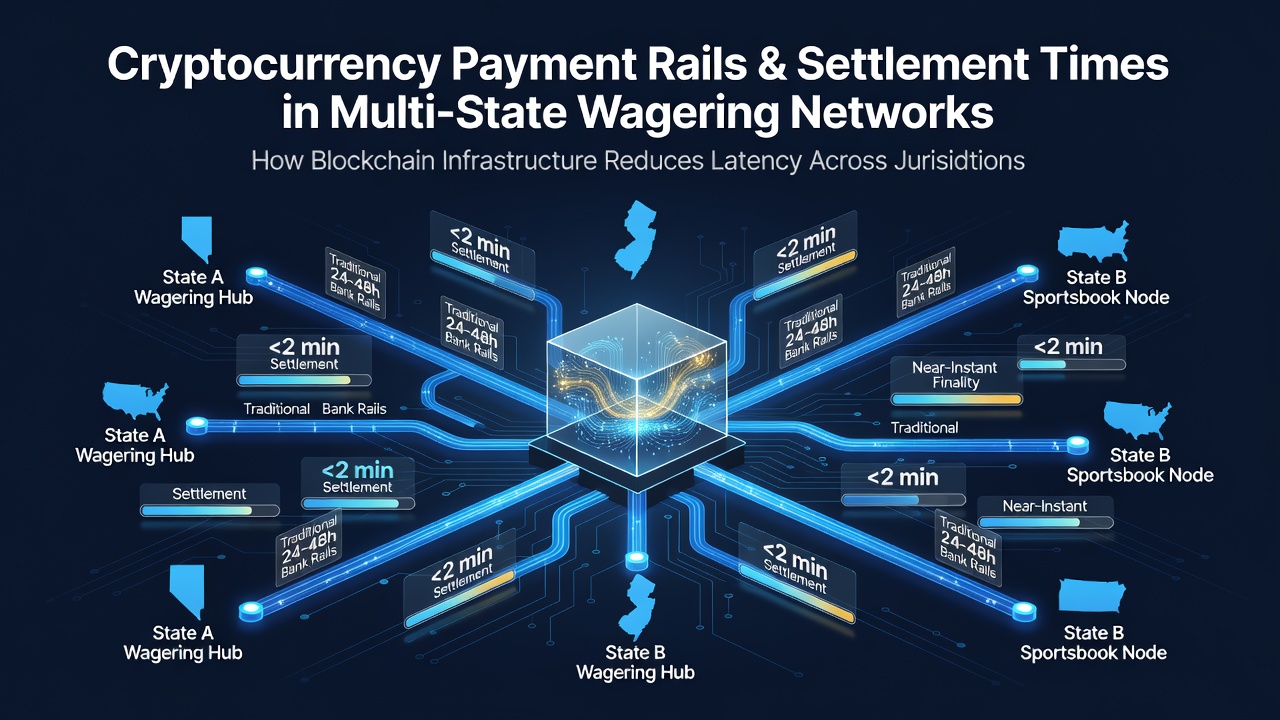
Industry reports from the American Gaming Association indicate that platforms using crypto rails processed August 2026 withdrawal volumes with median completion times of forty-seven minutes, compared with thirty-eight hours for ACH-based requests during the same period, and researchers at the University of Nevada, Las Vegas documented similar patterns across a sample of four thousand multi-state accounts where crypto users experienced settlement variance of less than eight minutes regardless of originating state.
Those figures reveal that once wallet whitelisting and know-your-customer verification occur, the remaining bottleneck shifts from banking hours to on-chain finality rather than business-day calendars.
Challenges That Persist Despite Faster Rails
Volatility hedging requirements and liquidity provider agreements still force some operators to batch crypto withdrawals into larger treasury movements, which can reintroduce short delays even when the underlying blockchain settles quickly, and cross-state tax withholding calculations must reconcile before funds leave an operator-controlled wallet in certain jurisdictions.
Network congestion events on major chains during peak sports betting windows have occasionally extended confirmation times to twenty minutes, yet those episodes remain shorter than traditional weekend banking holds and operators have responded by routing smaller transfers through layer-two scaling solutions that maintain sub-minute finality.
Conclusion
Cryptocurrency payment rails have shortened settlement intervals in multi-state wagering networks from multi-day cycles to sub-hour windows when regulatory and custody conditions align, while state-level rules issued through 2026 continue to shape how quickly those gains reach end users across different licensing footprints.