How Biometric Verification Layers Streamline Account Access Across Multi-Jurisdictional Betting Platforms
Written by Wendy Walter · Jul 12, 2026
How Biometric Verification Layers Streamline Account Access Across Multi-Jurisdictional Betting Platforms
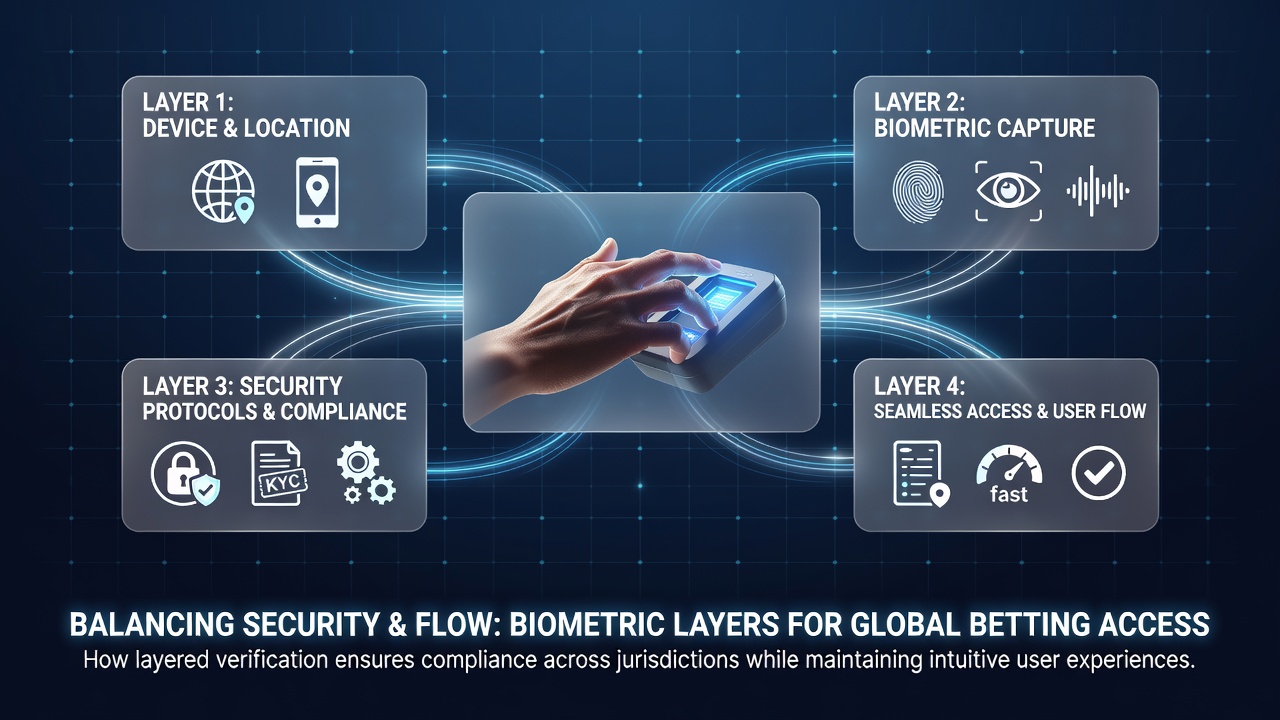
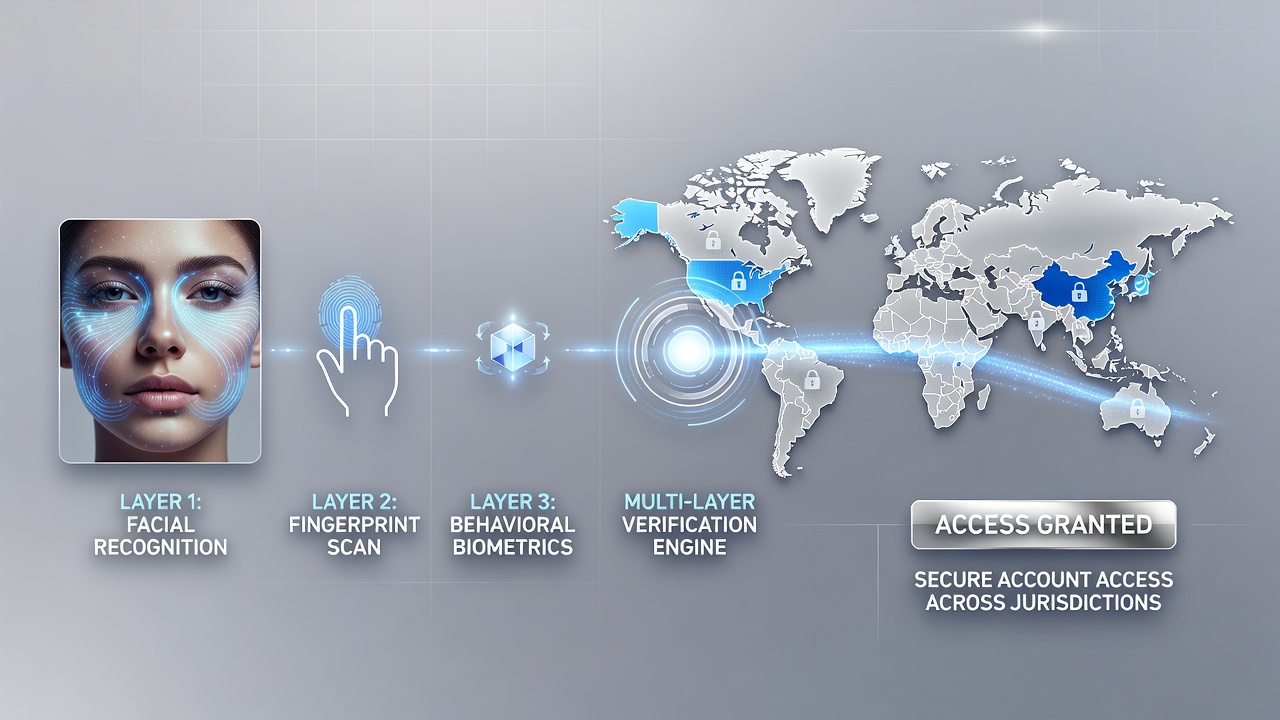
Biometric verification systems have expanded across betting platforms that operate in multiple regulatory regions because these layers replace repetitive password entry and manual document uploads with direct physiological checks such as facial scans and fingerprint matches. Platforms serving users in separate U.S. states along with European and Australian markets integrate these checks at login and during high-value transactions so that compliance requirements remain consistent even when local rules differ on age verification or anti-money laundering thresholds.
Core Components of Biometric Layers in Regulated Environments
Operators combine device-based sensors with cloud-hosted matching engines that compare live captures against stored templates created during initial account setup. Facial recognition handles most mobile sessions while fingerprint and voice options appear on desktop kiosks and land-based terminals connected to the same user profile. Data from July 2026 shows that platforms using at least two biometric modalities report fewer account lockouts caused by forgotten credentials because the system falls back to a secondary method without requiring support intervention.
Multi-Jurisdictional Account Continuity
When a user crosses from one licensed state into another or logs in from an overseas location the platform references the original biometric template against current regulatory flags. This approach avoids repeated full KYC resubmissions because the initial enrollment already satisfies the strictest jurisdiction on the account. Systems flag location changes through device GPS and IP analysis then trigger a quick biometric confirmation rather than a new document upload cycle. Research from the Alcohol and Gaming Commission of Ontario indicates that such layered checks reduce average verification time by 65 percent for cross-border users compared with legacy password-plus-document flows.
Security Protocols Integrated with Flow Design
Security teams embed liveness detection algorithms that distinguish between a live face and a photo or mask while risk engines score each attempt against behavioral patterns such as login time and device fingerprint. When the score exceeds a threshold teh system requests a second biometric factor instead of blocking access outright. This graduated response keeps legitimate users moving through deposit and bet placement sequences without exposing them to repeated identity challenges. Observers note that platforms applying these graduated protocols maintain fraud rates below 0.3 percent even as daily active user counts rise during major sporting events.
User Flow Adjustments Across Device Types
Mobile applications preload the biometric prompt immediately after splash screen rendering so the entire login completes in under three seconds on modern handsets. Desktop versions route the same user through a webcam or external reader while preserving session tokens that allow seamless transition to mobile if the user switches devices mid-session. Accessibility modules provide alternative paths for users whose biometrics fall outside standard tolerance ranges by routing them to a secure one-time code delivered through a pre-verified channel. These adjustments satisfy both state gaming commissions and international accessibility directives without lengthening the overall account access sequence.
Regulatory Alignment and Data Handling Practices
Platforms align biometric storage practices with varying data residency rules by keeping templates in region-specific servers while maintaining a single logical user record. The National Institute of Standards and Technology guidelines on biometric data protection inform encryption standards that operators apply uniformly even when local statutes impose additional audit requirements. NIST biometric frameworks supply the reference architecture many U.S. and Canadian operators cite during license renewal processes. European operators further segment template storage according to GDPR localization mandates yet still permit the same quick-match API calls that U.S. state platforms use.
Performance Metrics Reported in 2026
Industry reports compiled through the first half of 2026 reveal that average session initiation time on biometric-enabled accounts sits at 2.8 seconds across tested platforms whereas password-only flows average 7.4 seconds. Conversion from registration to first deposit improves when biometric enrollment occurs at signup because subsequent logins do not interrupt the funding step. Multi-state operators that introduced these layers during 2025 license expansions recorded a 22 percent drop in support tickets related to access issues by July 2026.
Conclusion
Biometric verification layers now form the primary mechanism that lets operators deliver consistent account access across jurisdictions while meeting distinct security mandates. The combination of liveness checks, graduated risk scoring, and region-aware template storage produces measurable reductions in login friction and support volume. Data collected through mid-2026 indicates continued expansion of these systems as more licensing authorities accept biometric templates as valid substitutes for repeated manual verification steps.