Exploring Cross-Vertical Point Transfers and Tier Progression Rules in Combined Sportsbook and Casino Membership Systems
Written by Viktor Simmons · May 24, 2026
Exploring Cross-Vertical Point Transfers and Tier Progression Rules in Combined Sportsbook and Casino Membership Systems
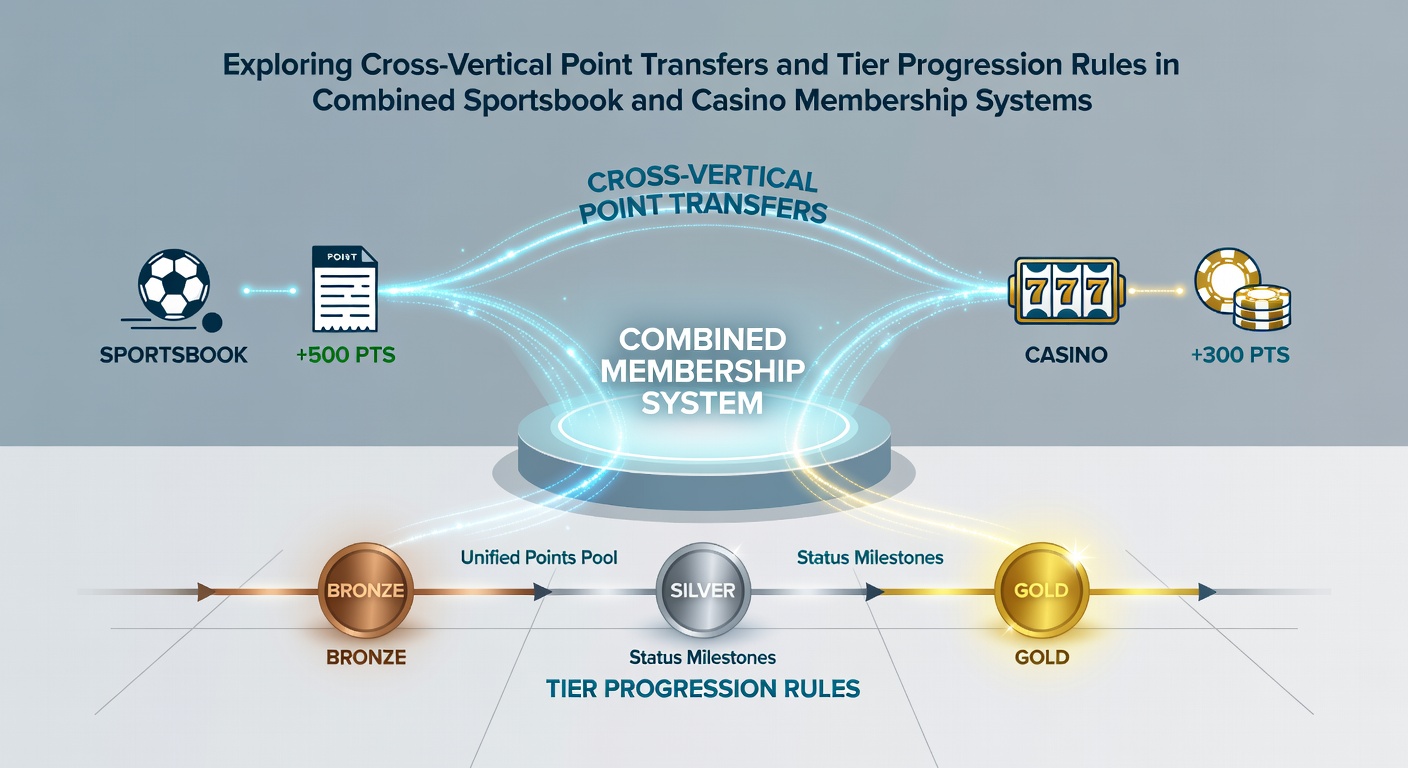
Operators in regulated markets have built combined membership systems that merge sportsbook and casino activity into single loyalty frameworks, allowing members to accumulate points from both verticals under unified rules. These structures emerged as platforms responded to player demand for consolidated rewards, and data from multiple jurisdictions shows steady adoption rates through the first half of 2026. Cross-vertical transfers let users move earned points between betting and gaming ledgers, yet each operator sets its own conversion ratios, transfer windows, and minimum thresholds that members must observe.
Mechanics of Cross-Vertical Point Transfers
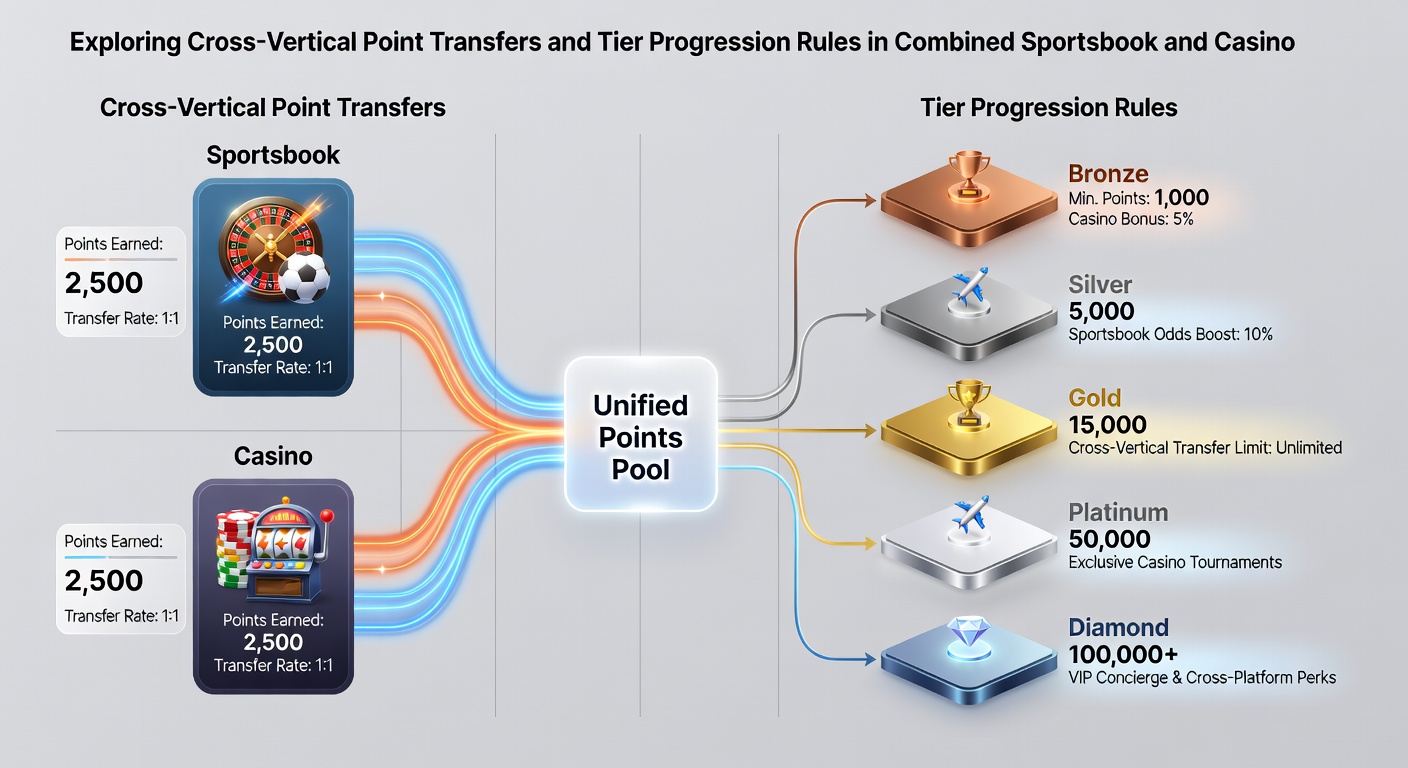
Point transfers operate through backend ledgers that track activity separately before permitting movement, and most systems require members to complete a verification step before any balance shift occurs. A typical flow begins when a member places a sports wager or spins a slot, points credit to the respective vertical account, then a transfer request moves a chosen amount to the alternate ledger at a fixed ratio such as 1:1 or 1:0.8. Platforms enforce daily or weekly caps on transferred volume to manage liability, while expiration rules remain consistent across both verticals so points do not gain extra life simply by moving. Observers note that transfer processing times range from instant to twenty-four hours depending on the operator’s risk checks, and members receive confirmation emails that detail the new balances in each vertical.
Tier Progression Rules Across Hybrid Ecosystems
Tier advancement hinges on combined qualifying activity rather than isolated vertical performance, which means members advance by meeting aggregate spend or point thresholds calculated from both sports and casino play. Most programs define five or six tiers with increasing benefits, and the criteria usually include a mix of total points earned, number of active days, and sometimes specific vertical contributions such as minimum casino handle or sportsbook turnover. Progression resets occur on anniversary dates or calendar years, and members retain tier status for a defined period even if activity drops, giving a buffer before demotion. Data indicates that operators adjust these thresholds periodically, and several major brands published revised tier tables in May 2026 that raised the points needed for top-level status while expanding bonus multipliers for mid-tier members.
Regional Variations in Transfer and Tier Policies
North American operators tend to emphasize higher transfer flexibility paired with stricter tier qualification windows, whereas European and Australian platforms often apply lower conversion ratios but allow more frequent tier reviews. A study published by the Australian Gambling Research Centre examined hybrid loyalty programs across multiple states and found that members who transferred points regularly reached higher tiers faster than those who kept activity siloed. In contrast, figures released by the American Gaming Association show that U.S. programs recorded a 14 percent increase in cross-vertical transfers between January and May 2026, coinciding with new tier bonus structures that reward balanced play across both verticals. Regulatory frameworks in each market require clear disclosure of transfer ratios and tier criteria, and operators must maintain audit trails that regulators can review on request.
Operational Considerations for Members and Platforms
Members benefit when they understand the exact timing of point postings, because late credits can delay a transfer request and push a tier milestone into the next period. Platforms provide dashboards that display real-time balances for each vertical along with projected tier progress based on current activity, and many send automated alerts when a member nears a qualification threshold. Backend systems reconcile transferred points against promotional liability, ensuring that bonuses earned in one vertical do not create unintended value when moved. Those who have studied these programs note that operators periodically run targeted promotions that temporarily improve transfer ratios or accelerate tier movement, and such campaigns appear most often during major sporting events or casino game launches.
Conclusion
Cross-vertical point transfers and tier progression rules continue to evolve as operators refine hybrid membership systems to balance player engagement with operational control. Clear documentation of ratios, caps, and qualification windows remains essential for member understanding, and regulatory oversight ensures these mechanics stay transparent across jurisdictions. As platforms release updates throughout 2026, members who monitor their combined activity and transfer timing position themselves to maximize tier benefits within the established frameworks.