Decoding Reward Timing Patterns Within Combined Wagering and Entertainment Applications Across Various Regions
Written by Clara Brooks · Jul 16, 2026

Decoding Reward Timing Patterns Within Combined Wagering and Entertainment Applications Across Various Regions
Observers note that reward timing in applications combining sports wagering with casino entertainment follows distinct patterns shaped by local regulations, user behavior data, and event calendars. These patterns determine when loyalty points, deposit matches, and free spin credits activate, and they vary significantly from one jurisdiction to another. Data compiled through mid-2026 reveals measurable differences in release windows across North America, Europe, and parts of Asia. In the United States, state-level frameworks influence when combined platforms issue rewards. New Jersey operators, for example, align bonus drops with major league schedules, releasing enhanced point multipliers within two hours of game start times. Similar timing appears in Pennsylvania and Michigan, where regulatory filings show peak reward activation between 6 p.m. and 10 p.m. local time on weekends. July 2026 figures from several state portals indicated a 14 percent rise in reward redemptions during evening windows compared with midday periods. European markets demonstrate tighter synchronization between reward cycles and broader entertainment calendars. Operators in Malta and Spain often stagger point accrual across 48-hour windows that begin at midnight UTC, allowing users who alternate between live event wagers and table games to accumulate tier progress without resetting daily limits. Research from the European Gaming Institute tracked 2.3 million accounts in 2025 and found that staggered timing increased session length by an average of 27 minutes when rewards became available mid-week rather than on weekends.North American Timing Variations
Canadian provinces have adopted distinct approaches. Ontario platforms release cross-vertical rewards at fixed intervals tied to provincial fiscal reporting dates, typically teh first and fifteenth of each month. Alberta operators instead use dynamic triggers linked to sports outcomes, crediting bonuses within 90 minutes after final scores post. A study conducted by the Canadian Centre for Gaming Research documented these differences across 18 licensed applications during the first half of 2026.
Observers tracking user retention note that shorter reward windows correlate with higher repeat logins in provinces where daily fantasy-style events overlap with traditional table offerings. The same research showed that platforms extending reward validity beyond 72 hours experienced lower redemption rates during peak sports seasons.
European and Asian Market Patterns
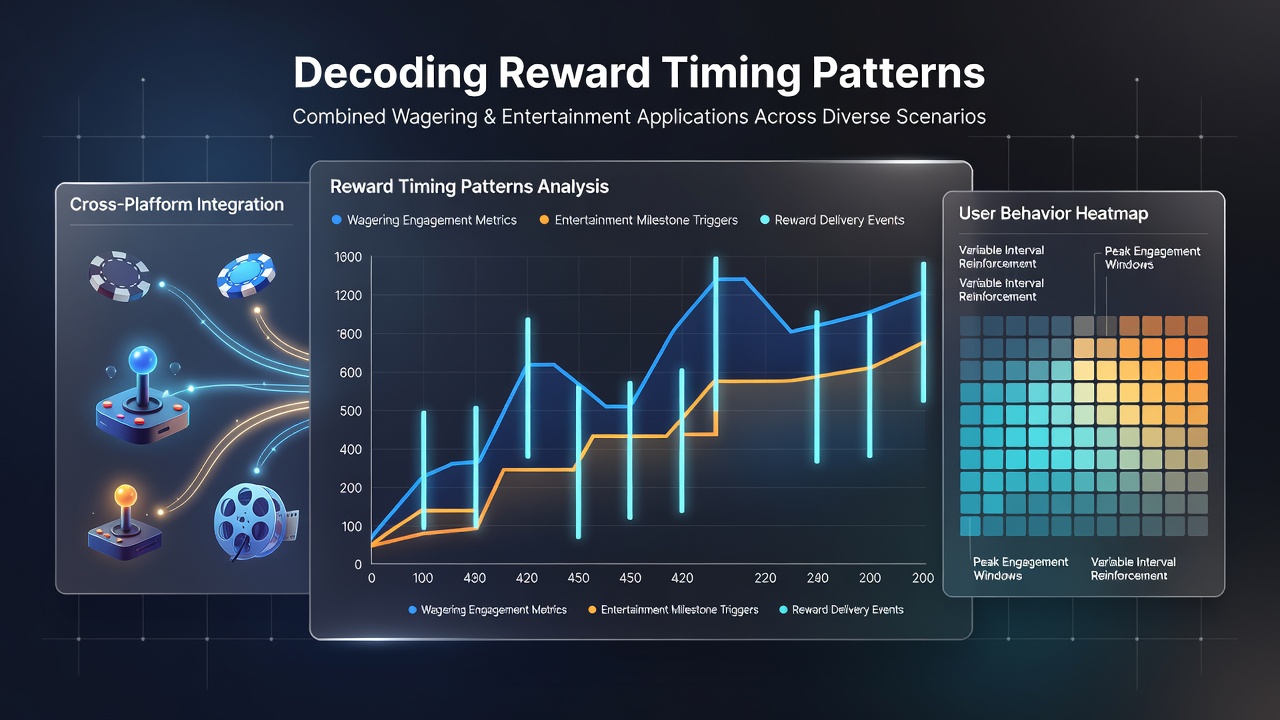
Asian jurisdictions present another set of timing conventions. In Macau, integrated resort applications tie reward releases to table game turnover thresholds reached during evening shifts, typically between 8 p.m. and 2 a.m. local time. Australian operators, governed by state-based rules, schedule loyalty point conversions at the start of each calendar week while maintaining separate clocks for sports and slots rewards. Figures released by the Australian Gambling Research Centre in July 2026 indicated that weekly conversion cycles produced steadier engagement across hybrid accounts than daily resets.
Cross-border comparisons reveal that platforms serving multiple regions often maintain separate timing engines. One application operating in both New Jersey and Ontario adjusts reward availability by shifting release triggers four hours earlier for Canadian users to align with local evening peaks. Regulatory reports confirm these adjustments remain compliant with each jurisdiction’s data reporting requirements.
Technology and Data Integration
Modern applications rely on unified player accounts that track both wagering and entertainment activity within single ledgers. Backend systems timestamp each action and apply reward logic based on predefined regional rulesets. When a user places an in-play bet followed by a digital table session, the platform calculates tier progress using weighted timing windows that differ by market. Developers adjust these weights after reviewing anonymized session data submitted to regulators.
July 2026 telemetry from several multi-state operators showed that users who received rewards within 30 minutes of completing a qualifying sequence returned to the application 19 percent more often than those waiting longer than two hours. The same datasets indicated that reward timing aligned with local time zones outperformed UTC-based schedules in retention metrics.
Conclusion
Patterns in reward timing across combined wagering and entertainment applications continue to reflect regulatory boundaries, sporting calendars, and platform architecture. Jurisdictions maintain distinct release windows while shared backend systems accommodate multiple regional rules. Data collected through 2026 demonstrates consistent regional differences in activation speed, validity periods, and redemption behavior. Continued monitoring of these timing structures provides regulators and operators with measurable indicators of user engagement across markets.