Decoding Algorithmic Influences on Cross-Platform Reward Pathways in Regulated Betting Networks
Written by Ellis Lehmann · Jun 2, 2026
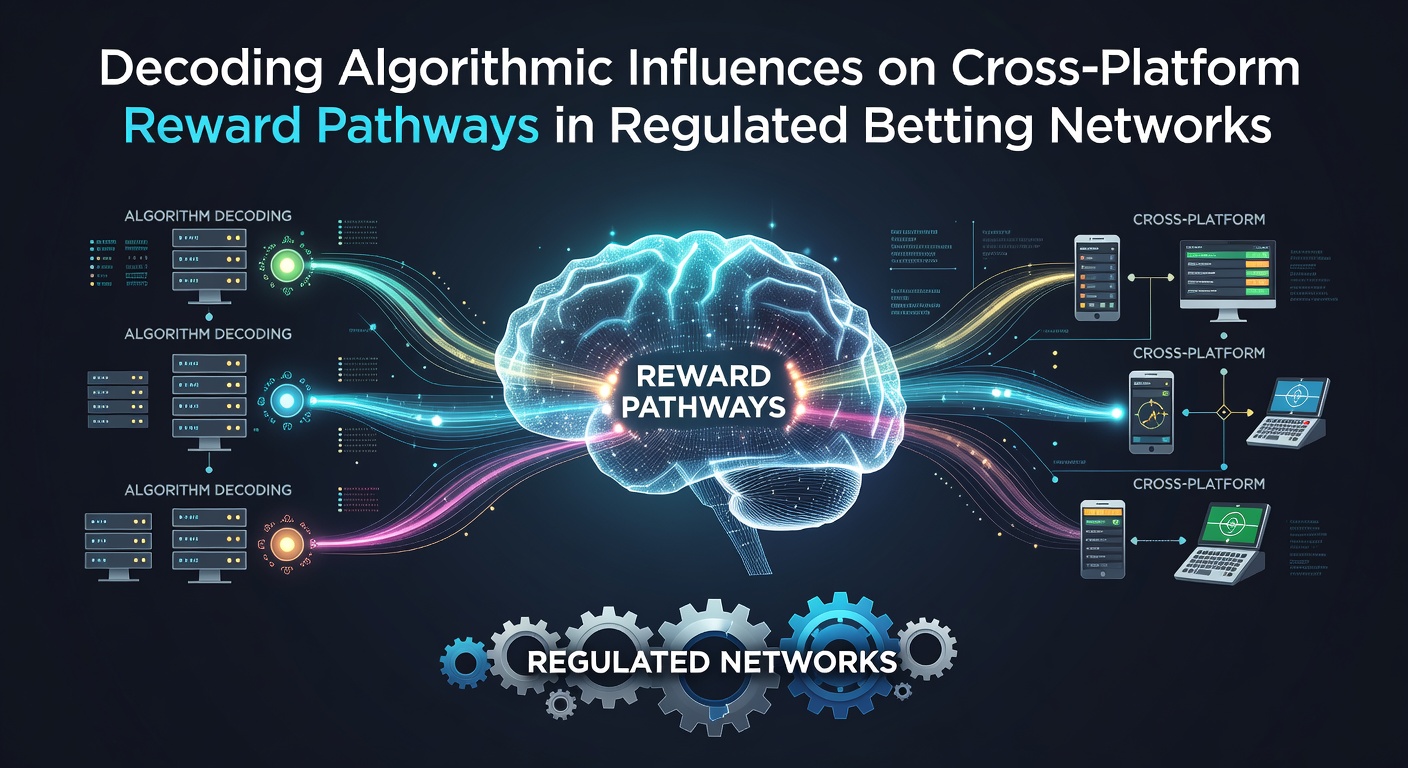
Decoding Algorithmic Influences on Cross-Platform Reward Pathways in Regulated Betting Networks
Regulated betting networks now operate across multiple platforms where algorithms determine how rewards flow between sportsbooks, casinos, and mobile apps, and those systems have grown more sophisticated since early 2025. Operators track player behavior through data points such as bet frequency, game selection, and session length, then feed that information into models that adjust bonus eligibility, tier progression, and promotional offers in real time. The result is a network where a player's activity on one vertical directly shapes opportunities on another, all while staying within state or national compliance rules.
How Algorithms Shape Reward Allocation
Modern loyalty engines rely on machine learning to calculate expected player value and assign rewards accordingly. These models weigh historical performance against current session data, which allows operators to shift bonus structures without manual intervention. In practice a user who places frequent small wagers on mobile sportsbooks may receive instant free spins on linked casino games, whereas someone favoring high-stakes table play might unlock larger deposit matches across both verticals. Data from the New Jersey Division of Gaming Enforcement shows that such dynamic adjustments increased player retention metrics by measurable percentages during the first half of 2026.
Cross-platform transfers add another layer because algorithms must reconcile different point systems while respecting geofencing and age-verification requirements. When a player moves from a sportsbook app to a casino platform, the system recalculates tier status using weighted formulas that prioritize recent activity. Regulators in Nevada and Pennsylvania have required operators to document these weighting methods so that reward pathways remain transparent and auditable.
Regulatory Oversight Across Jurisdictions
Authorities monitor algorithmic fairness through periodic audits that examine how models treat different player segments. Australia's National Consumer Protection Framework, updated in late 2025, mandates that operators disclose the primary variables used in reward calculations to state gaming commissions. Similar rules in Ontario require third-party reviews of any algorithm that influences cross-vertical point transfers, and those reviews must occur before new features launch. In June 2026 several multi-state operators submitted updated compliance filings that detailed changes to their reward models after regulators flagged inconsistencies in bonus redemption rates across platforms.
Technical Components Behind the Pathways
At the core sit graph databases that map player identities across devices and applications, allowing a single profile to carry reward history regardless of entry point. Reinforcement learning agents then optimize offers by testing variations in controlled environments before deploying them to live users. These agents consider constraints such as maximum bonus caps and responsible gaming limits, which prevents the system from generating incentives that violate jurisdictional rules. Observers note that the same technology also flags unusual patterns that might indicate bonus abuse, triggering automatic holds until manual review occurs.
Integration with payment processors further complicates the picture because algorithms must align reward redemptions with transaction velocity limits. A player attempting to cash out a cross-platform bonus may encounter staggered release schedules that the model generates based on risk scores derived from deposit history and game-type preferences. Such mechanisms help operators maintain compliance while still delivering timely value to qualifying users.

Impact on Player Behavior and Platform Economics
Studies conducted by academic teams at institutions including the University of Nevada, Las Vegas, have examined how these algorithmic systems influence session length and game selection. Findings indicate that players exposed to personalized cross-platform offers tend to explore new verticals at higher rates than those receiving static promotions. The data also reveals seasonal variations where algorithms adjust reward density during slower periods to maintain engagement without increasing overall liability.
Industry reports from the European Gaming and Betting Association highlight that operators using unified reward graphs achieve more stable revenue streams because activity on one platform subsidizes quieter segments on another. Yet the same reports emphasize the need for ongoing model validation to avoid unintended concentration of rewards among high-value segments, which could draw regulatory scrutiny.
Future Developments in Algorithmic Reward Design
Developers continue to refine models that incorporate real-time regulatory feeds, allowing automatic pauses on certain reward types when jurisdictional thresholds approach. Pilot programs launched in early 2026 tested federated learning approaches that keep player data localized while still improving cross-platform prediction accuracy. Those tests produced measurable gains in offer relevance without transmitting raw behavioral logs between operators and central servers.
As more states and provinces authorize additional license types, the demand for interoperable reward systems grows. Algorithms capable of handling multi-jurisdiction compliance checks in a single transaction flow represent the next technical frontier, and several major networks have already begun integrating such capabilities into their core platforms.
Conclusion
Algorithmic management of cross-platform reward pathways has become a standard feature of regulated betting networks, driven by the need to balance player engagement with strict oversight requirements. The systems rely on continuous data analysis, graph-based identity mapping, and adaptive models that respect geographic and legal boundaries. As operators expand these networks through 2026 and beyond, the focus remains on transparent documentation and third-party validation to ensure reward mechanisms function consistently across all participating platforms and jurisdictions.